.avif)
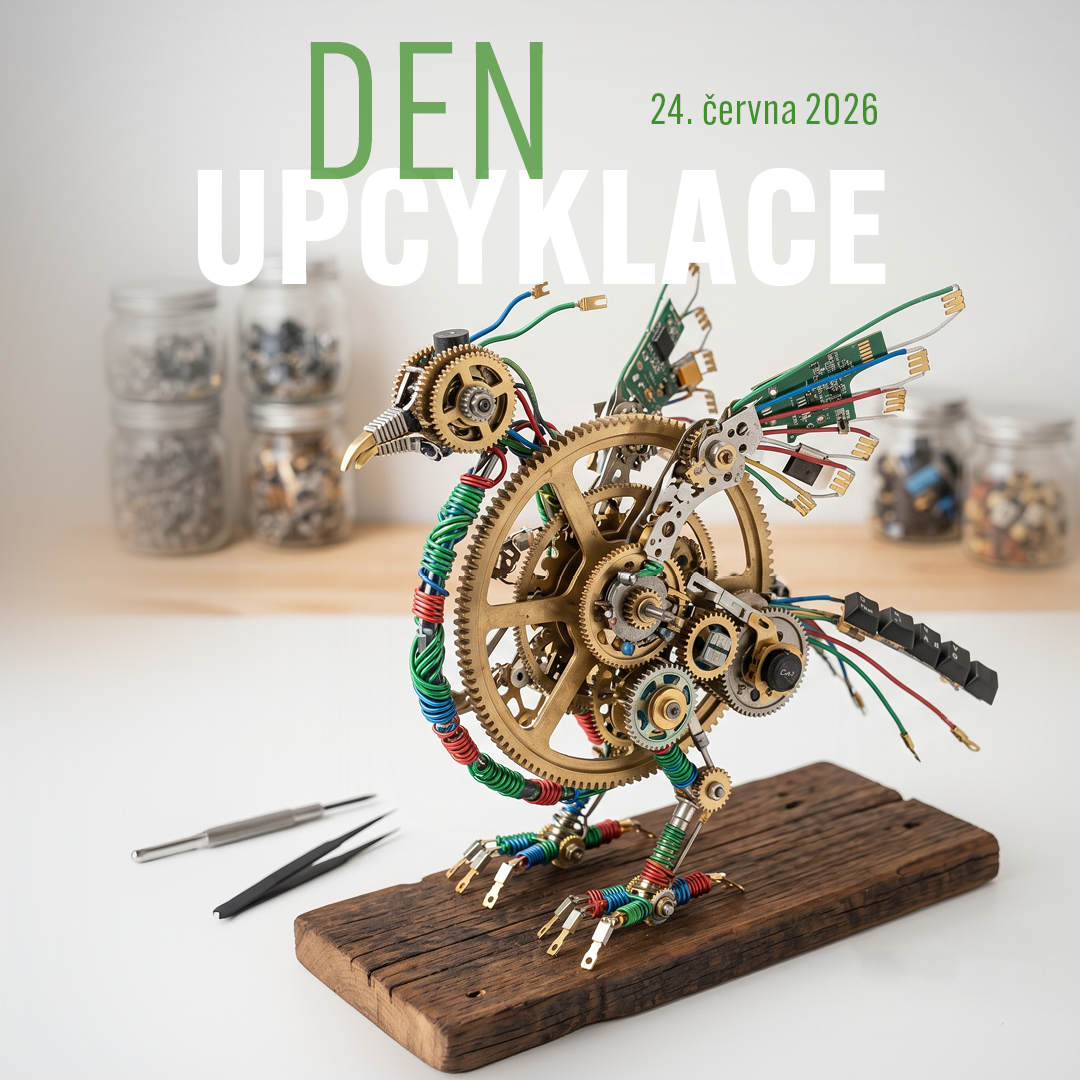
On 24 June, we mark Upcycling Day, which highlights the importance of using materials creatively and explores ways to extend the life of items that might otherwise become waste.
Upcycling gives old or unused objects a new lease of life. Unlike recycling, which involves processing waste materials for further use, upcycling preserves more of their original form and creatively transforms them, giving them a new function or adding aesthetic or practical value.
This approach is an important part of the broader concept of the circular economy, which aims to keep materials in circulation for as long as possible and minimise waste.
Upcycling shows that sustainability is not simply a technical or environmental issue, but also offers opportunities for creativity, experimentation and new ways of thinking. Often-overlooked materials can be transformed into new objects, installations or design pieces with both functional and symbolic value.
This principle also features prominently in contemporary art, which often explores the transformation of materials, meanings and contexts. We have long supported artistic projects and creators whose work brings together the principles of reuse, ecology and aesthetics while also addressing broader social issues. They include Suzon Fuks, Matyáš Chochola and Krištof Kintera, whose work demonstrates how materials and ideas can be approached in new and unexpected ways.
Upcycling has a tangible impact on everyday life and the wider environment. Its main benefits include:
As the need for sustainable resource management grows, upcycling is becoming an important complement to recycling and waste management systems. Its benefits are not only environmental, but also cultural and educational.
Upcycling Day reminds us that even seemingly unwanted items may still have untapped potential. All it takes is a fresh perspective, an awareness of the bigger picture and a little creativity. That is where its power lies: in bringing together sustainability, design and new ideas that can change how we see the world around us.
Thank you to everyone helping to develop this approach.
Your ASEKOL.


%201.svg)
%201.svg)
%201.svg)